WINTER
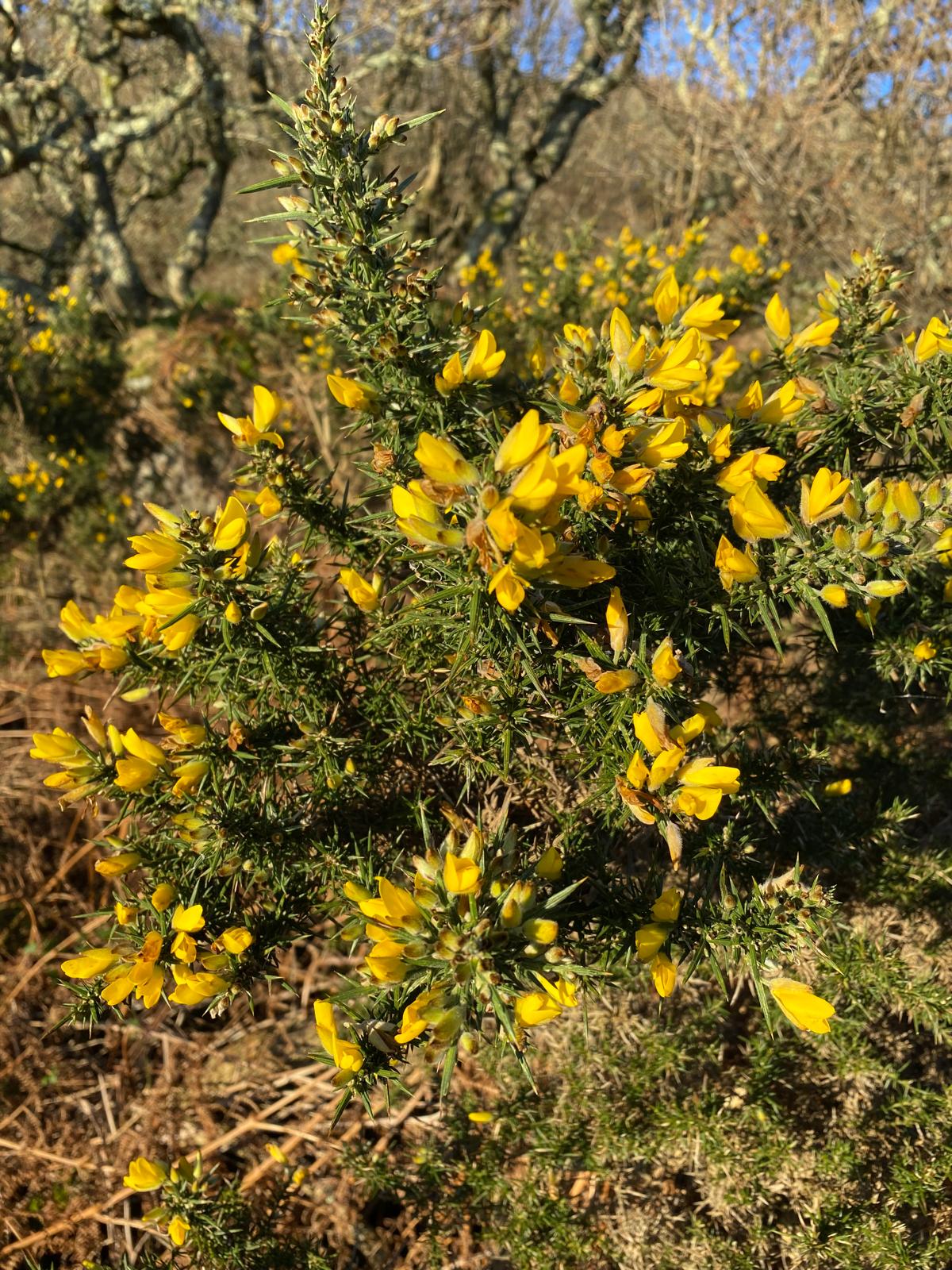
There are few plants flowering in winter but Gorse or Whin as it is known in Scotland and Ivy are the exception. The header image is Gorse Ulex.
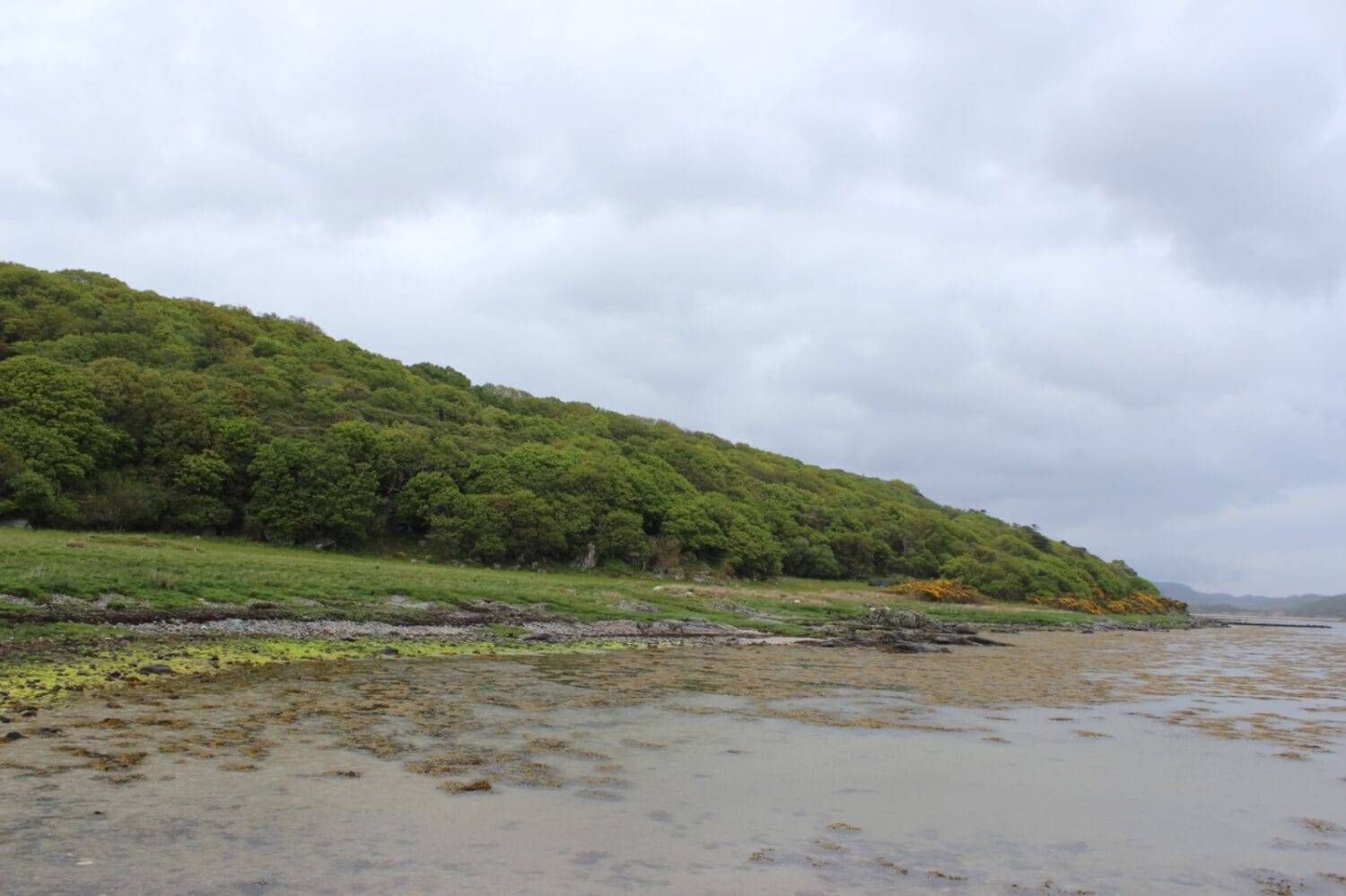
Gorse is a vigorous thorny evergreen shrub past of the pea family. In Ferry Wood it begins to flower in December, the flowers becoming more and more profuse into the Spring peaking in April. On warm Spring days it has a wonderful scent of coconut and vanilla. The flowers can be eaten and made into a cordial but capturing the heady scent has eluded us so far.
Gorse grows quickly and can be considered a nuisance but it provides good shelter for wildlife and protection for nesting birds; we have also noticed it helps protect young trees from grazing deer and sheep .
Gorse has been used as animal fodder and forage for feral ponies.
The flowers are a good source of nectar for bees and butterflies.
Gorse is one of the original Bach flower remedies.
Gorse is highly flammable and was used in traditional bread ovens
Its seed pods are opened by fire and burnt stumps rapidly recover.
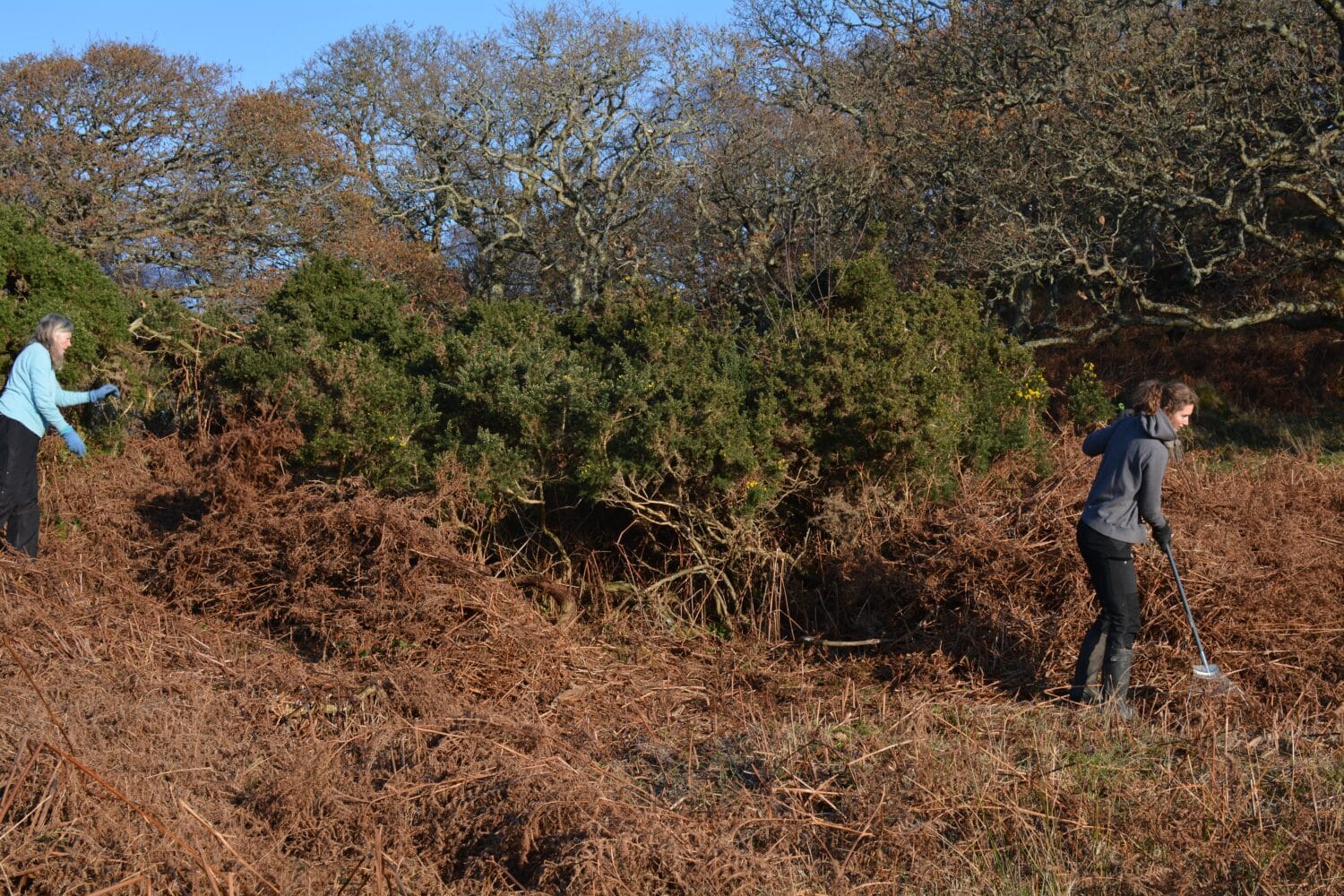
Carina and Rachel clearing Bracken in December with gorse behind
Ivy
Hedera Helix ( common ivy )and hedera Hibernica ( Atlantic Ivy )
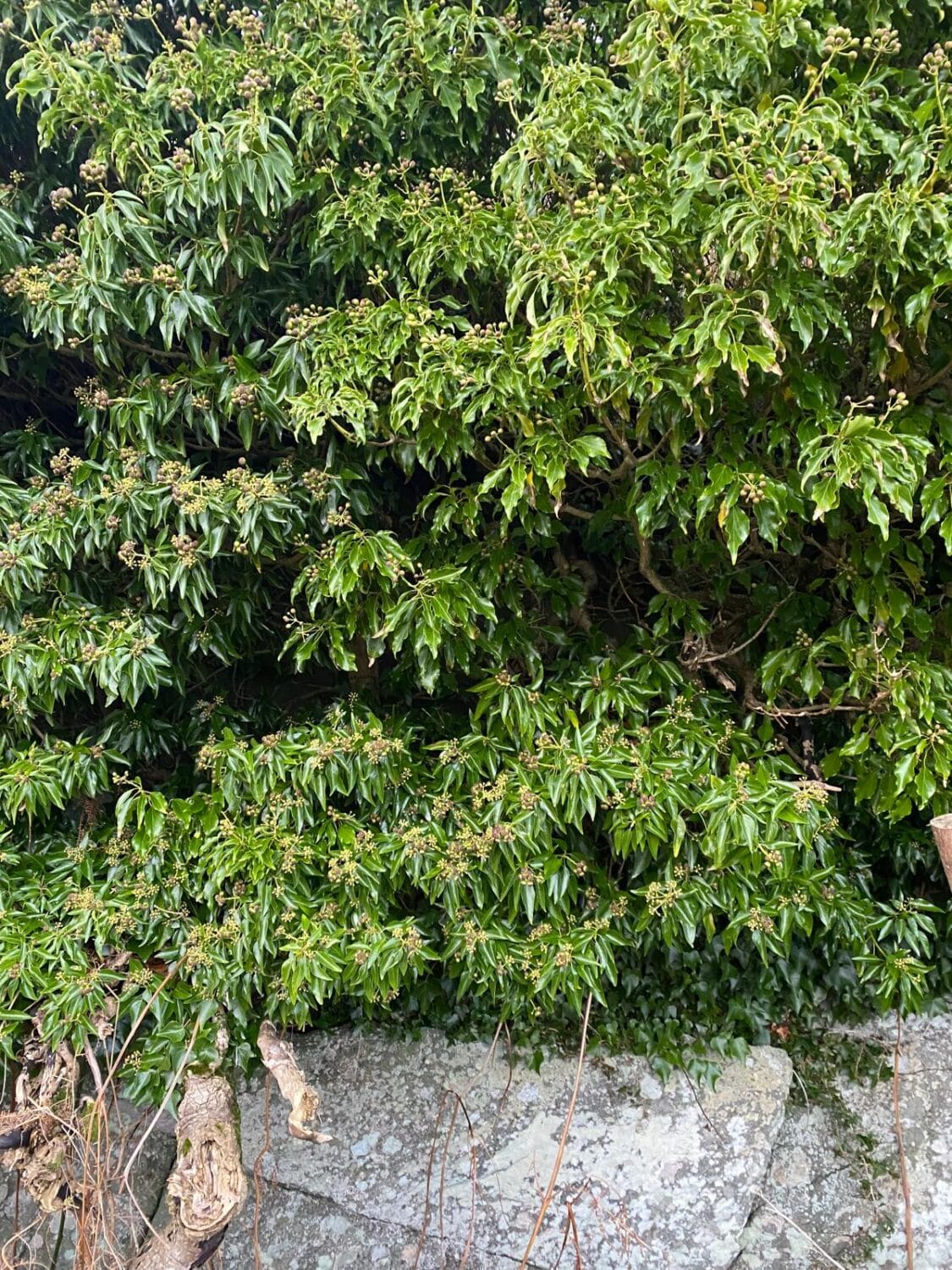
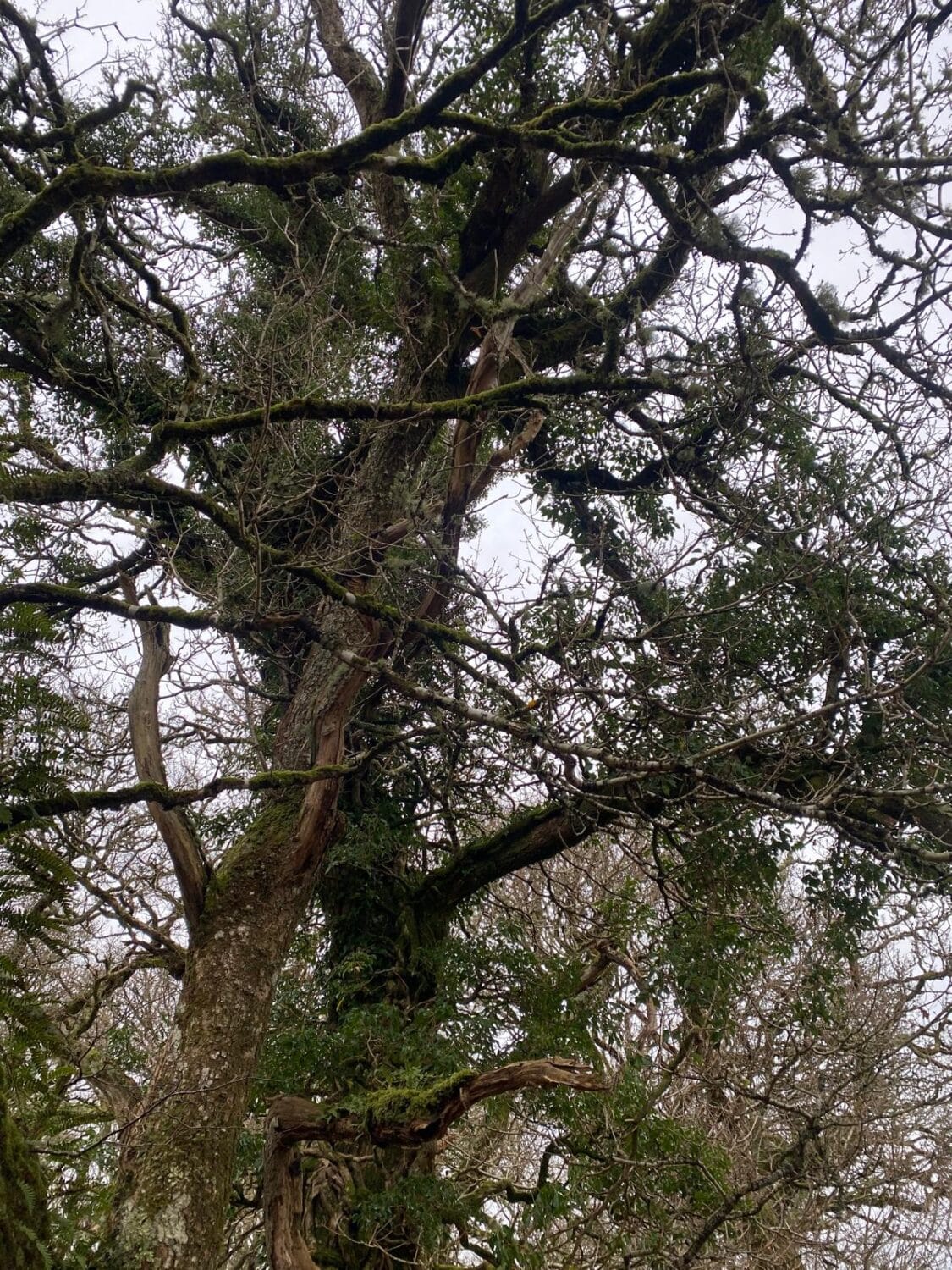
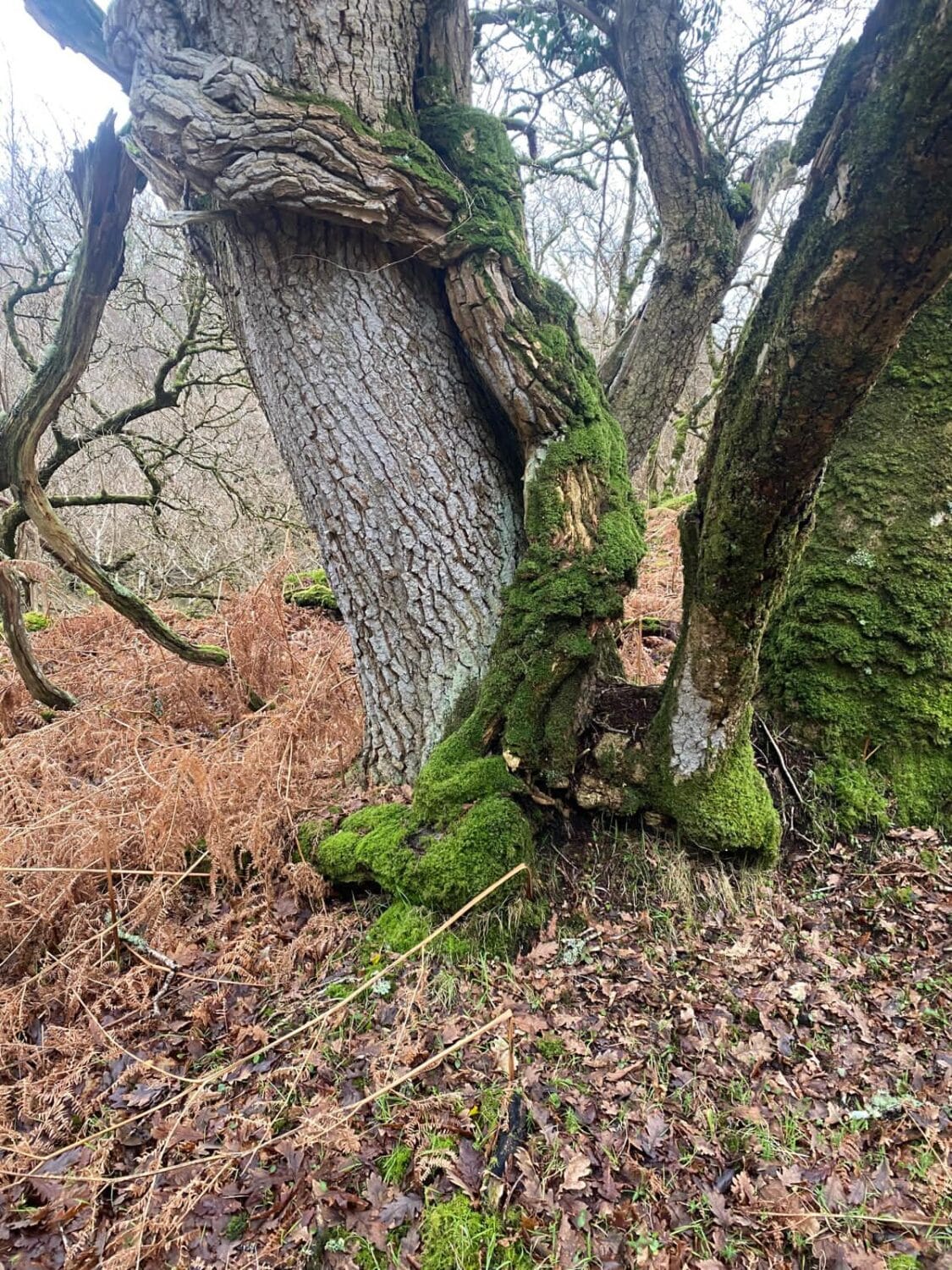
Ivy is an evergreen climber which can grow very high through to the top of the trees. Ivy is not parasitic and does not harm the trees it has its own separate root system to provide the its nutrient and water.
Only mature plants produce flowers, yellow green umbels usually staring in late Autumn, they provide valuable nectar and pollen to insects and birds After flowering black berry like fruits are formed. These are a valuable food resource for birds including thrushes blackbirds and wood pigeons.
Ivy also provides good shelter for wildlife, insects birds bats and small mammals.
Ivy has been uses as a herbal remedy Culpeper cites the berries to prevent and heal the plague and ivy leaf extract is used in some cough medicines today.